
September 22 - October 11 2026
Featured artists and speakers: Alex Nathanson, Casey Ivanovich, Denise Lanzieri, Edward Morris, Esteban Agosin, Frederick Bernas & Nico Munoz, Gesche Würfel, Joaquin Fargas, Katie Fisher, Laura Splan, Luis Medina, Mari Nagem, Marina Komiya, Mary Mattingly, Morakana, Peter Yeadon & SPARK IP, Serena Wessely, Thiago Hersan.
Curated by: Elena Soterakis (BioBAT Art Space), Isabella Indolfi & Paige King (MESH_ARTS)
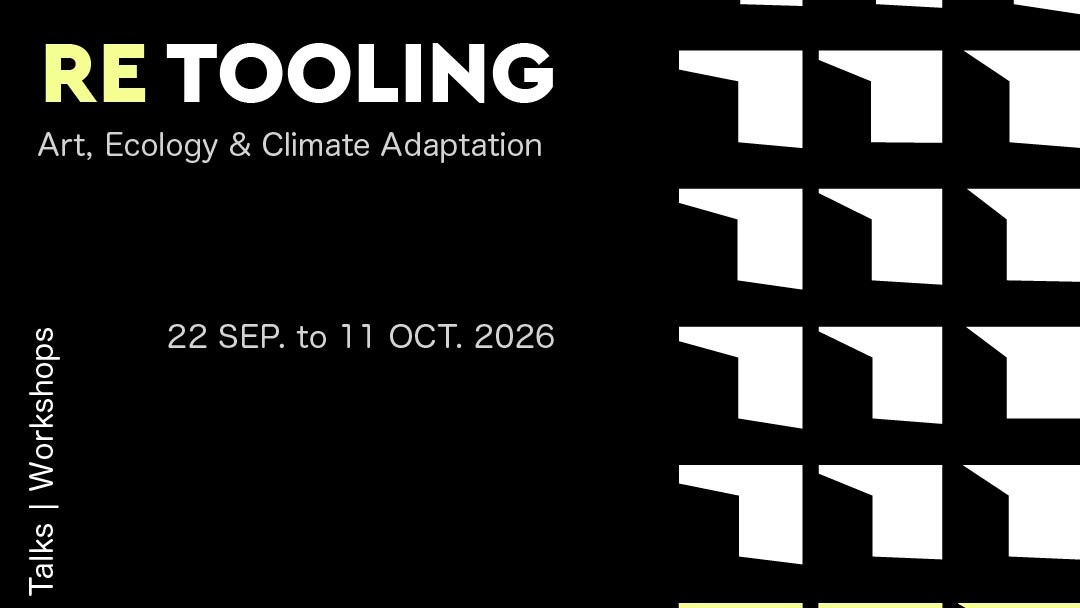
Retooling: Art, Ecology, and Climate Adaptation is a three-week exhibition and public program featuring talks and community workshops. During Climate Week NYC, and for the following two weeks, MESH_ARTS, in collaboration with BioBAT Art Space, presents an exhibition highlighting innovative practices that have generated tools around shade equity, atmospheric adaptation (transforming sunlight into water), making imperceptible systems tangible, and other creative conversions that help aid. The exhibition considers artistic practice as a way for building ecological infrastructure and public pedagogy, where interdisciplinary collaboration gives rise to new forms of environmental literacy and civic imagination. This program demonstrates how creative collaboration can cultivate environmental literacy, build shared infrastructure, and connect artistic practice with climate action.
Artists and creative researchers are working across disciplines to engage with ecological challenges, creating tools that expand how we understand and respond to climate change. They’re repositioning the focus from artist as producer to artist as facilitator, educator, and infrastructure builder. Increasingly, these interdisciplinary practices have generated new forms of collective knowledge, action, and tool-making.
Through collaborations across art, science, engineering, and technology, they transform empirical research into new ways of operating. Esteban Agosin, Joaquin Fargas, Laura Splan, Mari Nagem, Morakana, Peter Yeadon & SPARK IP, work with natural forces rather than simply represent them. Embedded in their practice is a bridge to speculative propositions, learning, and possible futures. Their creative outcomes are ecological, accessible, and pedagogical, generating tangible tools that foster connective participation and action.